In custom high-transparency silicone case projects, yellowing is one of the most common pain points for customers. Many buyers find that a once crystal-clear silicone case turns yellow after a short period of use. This not only harms aesthetics but can also shorten service life, reduce user trust, and even damage brand reputation. As many customers ask, “Which high-transparency silicone grades won’t yellow—has anyone made these?” the widespread nature of this problem reflects a general lack of attention in the industry to material selection and process control. This article is compiled from YueHouDZ’s practical experience in custom silicone protective case projects, for reference.
Select High-Transparency Silicone Scientifically: From Grades to Performance Metrics
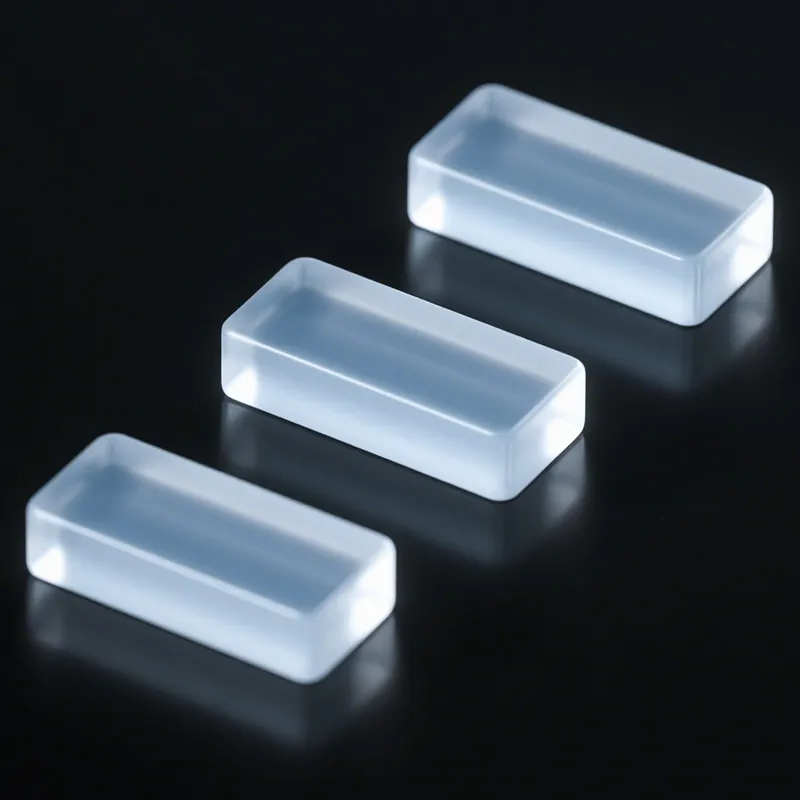
The first step in customizing high-transparency silicone cases is choosing raw materials with strong anti-yellowing resistance. Among international brands, high-transparency, yellowing-resistant grades such as Dow SE-9187L, WACKER ELASTOSIL® LR 3040/3043, and Shin-Etsu KE-1310ST typically perform well. They offer strong molecular stability and are suitable for premium products with high weathering resistance requirements. For China brands, options such as Zhonglan Chenguang SG-602 and Xinan Chemical XN-8050 can be considered for better cost performance, especially for budget-conscious volume orders.
Key performance indicators should focus on light transmittance and yellowing index (ΔE). High-quality transparent silicone products should use high-purity fumed silica (fumed) silicone raw material, which has a more stable molecular structure. Per ASTM D1003 (haze meter method), at a sample thickness of 2 mm, light transmittance can reach 90%+. In addition, the material should pass a 72-hour UV aging test, with ΔE controlled within 3.5. This value generally means color change is not easily noticeable to the human eye without direct side-by-side comparison, helping ensure the product stays clear and resists yellowing over long-term use.
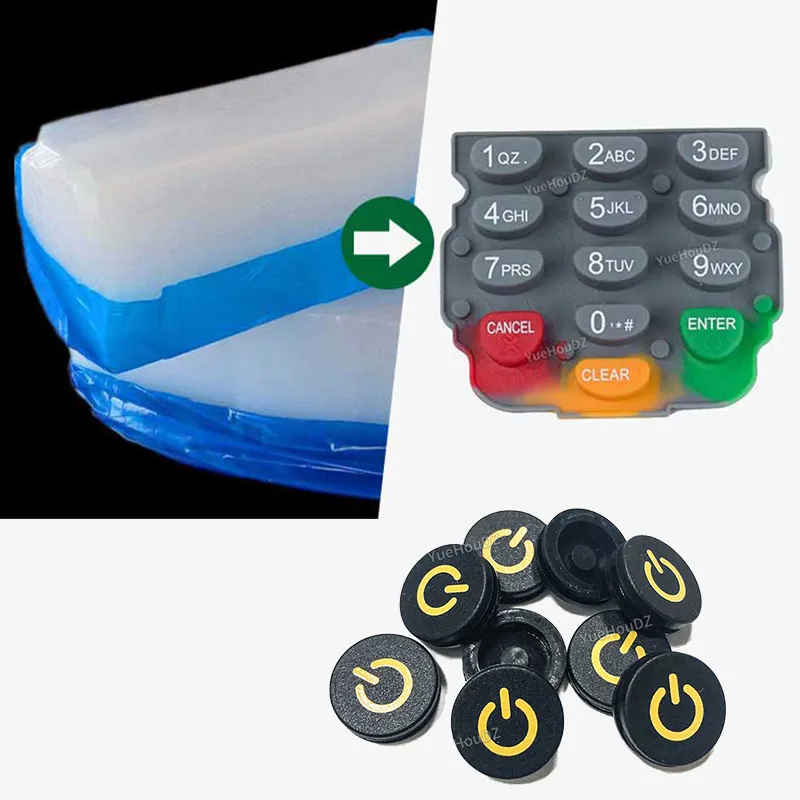
From a processing standpoint, it is recommended to choose a platinum-cure (addition-cure) silicone system rather than a peroxide-cure system. Platinum-cure uses a platinum-catalyzed reaction with a milder curing process and fewer residual impurities, while peroxide curing can decompose and generate acidic byproducts that may accelerate yellowing.
Root Causes of Yellowing in High-Transparency Silicone Cases and How to Prevent It
The main causes of yellowing can typically be summarized into three areas: (1) improper selection of curing agents—traditional peroxide curing agents may decompose at high temperature into low-molecular impurities that gradually develop color under light exposure; (2) insufficient antioxidants, failing to suppress oxidation chain reactions driven by oxygen and heat; (3) inadequate raw material purity—residual metal ions or organic impurities can act as “catalysts” for photo-oxidation, accelerating aging.
In real custom projects, we have seen cases where peroxide-cured silicone showed obvious yellowing within 3 months. Preventive actions should address materials, process, and additives. Material-wise, prioritize yellowing-resistant grades such as Dow SE-9187L and Shin-Etsu KE-1310ST. Process-wise, adopt platinum curing to reduce chemical residue. Additive-wise, use high-performance antioxidants (e.g., hindered phenols) and UV absorbers (e.g., benzotriazoles). Antioxidants interrupt oxidation chain reactions, while UV absorbers capture UV energy to slow down aging.
How to Screen a Reliable Factory: Secure Quality and After-Sales from the Source
When selecting a factory, quality control must start at the source to avoid the “low-price trap.” First, require material certification clearly stating the use of high-transparency, yellowing-resistant grades (such as Dow SE-9187L or Shin-Etsu KE-1310ST) and the use of fumed silica silicone. Be cautious if a factory uses ordinary precipitated silica silicone to imitate fumed silicone. You can request the raw material supplier’s COA (Certificate of Analysis) and batch inspection reports.
Second, confirm a clear process statement: the factory must use a platinum-cure process, and disclose the additive ratios for antioxidants and UV additives. As a common guideline, an antioxidant dosage of 0.5%–1% and a UV additive dosage of 0.3%–0.8% are often considered appropriate. Test reports are critical evidence of quality—request a 72-hour UV aging test report confirming ΔE < 3.5. The report should also include test conditions (such as UV lamp power, temperature, and humidity).
Finally, define a clear anti-yellowing acceptance standard in the contract. For example, agree that if ΔE > 3.5 within 6 months, a third-party organization such as SGS can be commissioned for re-testing, and claims can be made based on the results. Avoid vague clauses such as “natural aging is not covered by warranty.” The test method and judgment criteria should be explicitly written.
Conclusion
The core goal of custom high-transparency silicone cases is to control the risk of yellowing. Focus on three essentials: (1) Material selection—prioritize yellowing-resistant grades such as Dow SE-9187L and Shin-Etsu KE-1310ST; for China brands, consider Zhonglan Chenguang SG-602 and Xinan Chemical XN-8050. (2) Process control—use a platinum-cure system to reduce chemical residues. (3) Factory collaboration—set a clear standard of ΔE < 3.5 after 72-hour UV aging, and retain test reports and contract records. With carefully selected scientific materials, optimized processing, and rigorous factory screening, you can better ensure long-term transparency and durability—and avoid costly customization pitfalls.